Parasites can be easy to overlook until they start causing visible problems. For animal and pet owners, understanding parasites is an important part of protecting animals from discomfort, illness, and preventable health concerns.
Ord Animal Clinic cares for dogs, cats, horses, cattle, and livestock in Ord, NE. Our team helps owners make practical choices about parasite prevention for animals with very different lifestyles.

What Are Animal Parasites?
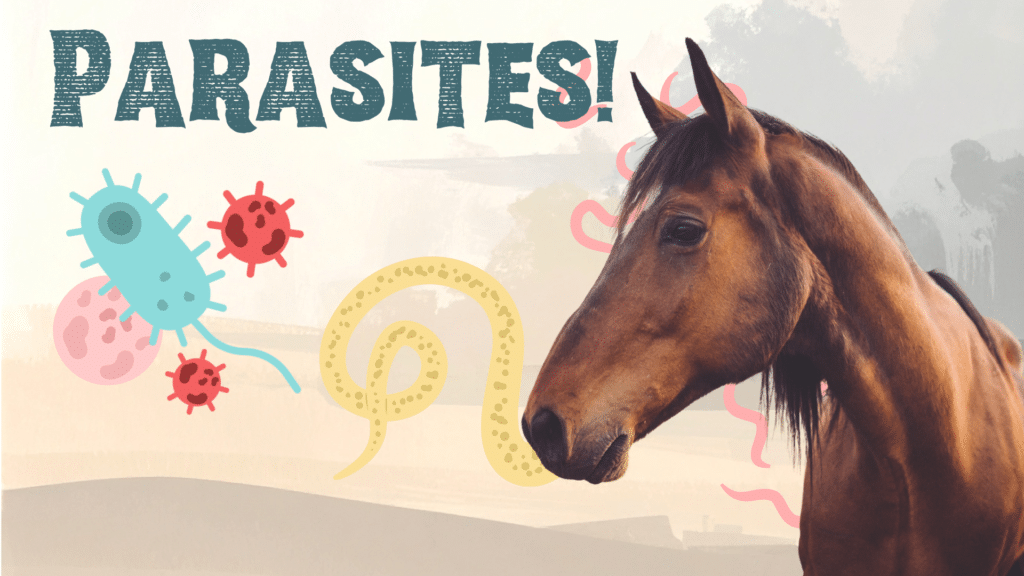
Animal parasites are organisms that live on or inside an animal and use the animal as a source of food or shelter. Some are visible, while others may go unnoticed without veterinary testing.
Fleas and ticks are common external parasites. Internal parasites can include roundworms, hookworms, tapeworms, and heartworms. Each can affect animals differently, which is why prevention should be based on species, age, health, environment, and exposure risk.

Why Fleas, Ticks, and Heartworms Matter
Fleas can cause itching and skin irritation, and some pets develop strong reactions to flea bites. Ticks can attach to animals and transmit disease, while heartworms are spread through mosquito bites and can cause serious damage to the heart, lungs, and blood vessels.
Understanding the lifecycle of heartworms can also show why prevention matters before symptoms appear. Pet parasites are often easier to prevent than to manage after they have affected an animal’s health.
Parasites Can Affect Other Animals Besides Dogs and Cats
Parasite concerns are not limited to household pets. Horses, cattle, and other livestock can also be affected by internal and external parasites, and their prevention needs may differ based on housing, pasture access, travel, age, and other factors.
A veterinary team can help determine which risks deserve the most attention. Routine exams and appropriate testing can support a parasite plan that fits the individual animal instead of relying on a one-size-fits-all approach.

Protect Your Animal All Year
It can be tempting to think parasite prevention is only a warm-weather task. However, year-round protection helps reduce gaps that can leave animals vulnerable when temperatures shift, parasites move indoors, or seasonal activity begins earlier than expected.
For pet owners in Ord, Nebraska’s changing seasons make consistency especially useful. Mosquitoes are a heartworm concern during warmer periods, while ticks can become active whenever conditions are favorable. Staying current with veterinarian-recommended prevention helps create a more dependable defense against animal parasites.
Testing Finds Problems A Veterinarian Cannot See
Many internal parasites do not cause obvious signs right away. A pet, horse, or livestock animal may appear healthy while still carrying parasites or microscopic eggs that can be detected through testing.
Your veterinarian may recommend fecal testing or other screening based on your animal’s needs. Early detection can guide treatment and reduce the chance that an unnoticed parasite problem becomes more difficult to manage.
Build a Prevention Plan Around Your Animal
The best parasite strategy depends on the animal in front of you. A dog that hikes, a horse with pasture access, and livestock in a herd do not all share the same exposure risks.
Talk with your veterinarian before choosing or changing parasite products. Correct dosing, species-specific products, routine testing, and consistent timing all matter when protecting animals from parasites.
Partner With Ord Animal Clinic for Parasite Prevention in Ord, NE
Parasites are a real health risk, but owners do not have to sort through prevention choices alone. Ord Animal Clinic is proud to support animal and pet owners from Ord, Burwell, and Broken Bow with practical veterinary guidance and care.
Whether your animal needs preventive care, urgent care, or guidance about parasite protection, our team can be a trusted partner. Schedule an appointment to discuss parasite prevention and keep your animal’s care plan on track.